 Reviews

 Proudly American
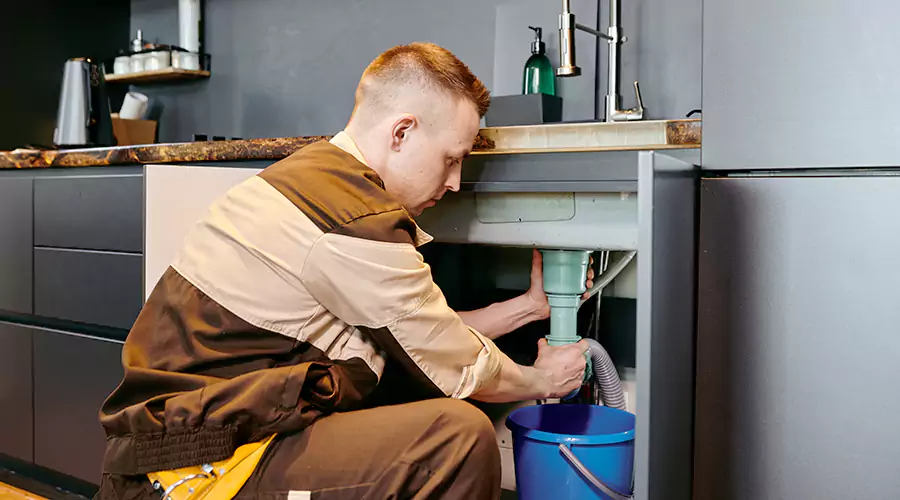
Proper plumbing is a foundational component of every residential property. Pipes, fixtures, valves, and water-dependent appliances operate continuously, often concealed behind walls, beneath flooring, or underground. Because these systems function out of sight, minor issues frequently go unnoticed until they escalate into costly repairs. Regular plumbing maintenance is not limited to fixing visible leaks; it is a proactive, strategic approach that ensures consistent performance, safety, and long-term reliability.
This article outlines the core benefits of routine plumbing maintenance and explains why scheduled inspections are essential for safeguarding property value, household comfort, and overall system efficiency.
Why Regular Plumbing Maintenance Matters
Residential plumbing systems experience daily operational stress combined with environmental exposure. Over time, this wear can compromise functionality and structural integrity. Several contributing factors accelerate deterioration, including constant moisture exposure that promotes corrosion, mineral and sediment buildup that restricts water flow, aging copper or PVC piping vulnerable to leaks, and soil movement that places stress on underground lines.
Without preventive care, these issues often remain hidden until a sudden failure occurs. Regular plumbing maintenance enables early identification of potential risks, reducing the likelihood of unexpected disruptions, water damage, and emergency repairs. A structured maintenance plan ensures the plumbing system continues operating at optimal capacity throughout the year.
Key Benefits of Regular Plumbing Maintenance
1. Early Detection of Leaks and Water Damage
Routine inspections provide a critical advantage through early leak detection. Even minor leaks can gradually weaken walls, floors, cabinetry, and foundations. Professional plumbers can identify hidden leaks behind walls, ceilings, and concrete slabs before they cause visible damage.
Early intervention helps prevent mold growth, structural deterioration, and indoor air quality concerns. Addressing small issues promptly allows homeowners to avoid expensive repairs and preserve the integrity of their property.
2. Improved Water Pressure and Flow
Low or inconsistent water pressure is commonly linked to mineral buildup, pipe corrosion, or partial blockages. Routine Plumbing Maintenance ensures pipes remain clear and efficient.
Removing sediment and scale improves water flow to showers, sinks, appliances, and outdoor irrigation systems. Consistent water pressure enhances daily convenience and ensures plumbing fixtures perform as designed, reducing frustration and inefficiency.
3. Extended Lifespan of Pipes and Fixtures
Preventive maintenance plays a vital role in extending the service life of plumbing components. Corrosion control, routine cleaning, and timely part replacements help preserve pipes and fixtures.
Metal pipes benefit from reduced internal corrosion, while PVC systems remain free of mineral accumulation. Faucets, valves, water heaters, and water-using appliances also experience less strain when supported by a clean, well-maintained plumbing network. This approach delays major system upgrades and lowers long-term capital expenses.
4. Cost Savings on Water Bills
Inefficient plumbing systems often waste significant amounts of water. Small leaks, partially blocked pipes, and poorly maintained appliances can increase monthly utility costs without obvious warning.
Routine maintenance identifies inefficiencies, repairs hidden leaks, and improves overall system performance. By reducing water waste and enhancing appliance efficiency, homeowners benefit from lower water bills and a more sustainable household operation. Preventive maintenance costs are typically far lower than expenses associated with water damage restoration.
5. Prevention of Sewer and Drain Problems
Drain and sewer issues can be disruptive, unsanitary, and expensive if left unresolved. Regular inspections help identify slow drains and early blockages before they develop into full-scale backups.
Maintenance services ensure sinks, toilets, showers, and main sewer lines operate correctly. For homes with septic systems, routine care supports proper waste processing and system longevity. Proactive drain maintenance significantly reduces the risk of emergency plumbing situations.
6. Peace of Mind and System Reliability
A well-maintained plumbing system provides long-term peace of mind. Homeowners gain confidence knowing their pipes and fixtures are less likely to fail unexpectedly.
Routine care reduces the risk of pipe bursts, flooding, and water contamination. It also ensures consistent water quality and pressure throughout the home. This reliability allows homeowners to focus on daily life without persistent concern about plumbing failures.
Recommended Plumbing Maintenance Checklist for Homes
To maintain system efficiency, homeowners should implement a structured maintenance routine. Recommended steps include:
- Scheduling annual professional plumbing inspections
- Checking for leaks around faucets, toilets, and water heaters
- Flushing water heaters to remove sediment
- Inspecting and cleaning drains and sewer lines
- Testing water pressure
- Replacing aging or corroded components before failure occurs
Following this checklist supports system longevity and minimizes long-term operational risk.
Why Hire a Professional Plumber
Professional plumbers deliver expertise, tools, and diagnostic capabilities that exceed basic DIY maintenance. They can detect hidden leaks using advanced equipment, perform accurate pipe repairs, and service fixtures to maintain peak efficiency.
Licensed professionals also ensure all work complies with safety standards and building codes. Additionally, they can recommend water treatment or filtration solutions to improve water quality and system performance.
Conclusion
Regular plumbing maintenance is a strategic and cost-effective investment for residential homeowners. From early leak detection and improved water pressure to extended pipe lifespan, reduced utility costs, and sewer issue prevention, the benefits are substantial. A proactive maintenance approach also delivers peace of mind by minimizing the risk of unexpected emergencies.
By scheduling routine inspections and adhering to a preventive maintenance plan, homeowners can ensure their plumbing systems remain efficient, safe, and dependable for years to come. Prioritizing professional plumbing maintenance protects property value, household comfort, and long-term financial stability.